
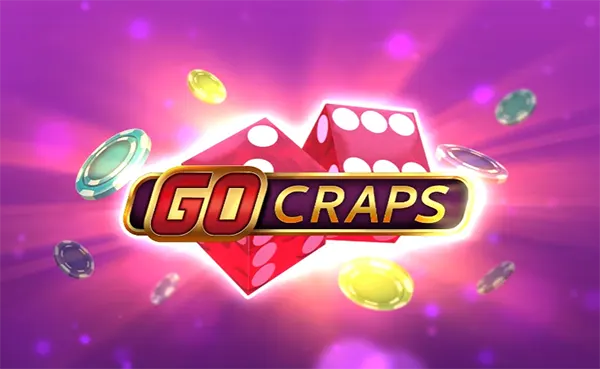
GO Craps by Play’n GO: How a Table Classic Becomes a Slot Experience
GO Craps by Play’n GO represents a notable shift in how traditional casino mechanics are adapted for modern audiences. Instead of replicating the exact structure of a physical craps table, the developer reworks the core logic into a slot-based format, making the gameplay more accessible while preserving key probabilistic elements. This approach reflects a broader trend in game design, where complex table games are simplified without losing their mathematical backbone or player engagement.
From Dice Table to Reel Mechanics: Understanding the Core Transformation
Classic craps relies heavily on physical interaction, player decisions, and a variety of betting options tied to dice outcomes. In contrast, GO Craps restructures these elements into a digital environment where outcomes are determined through slot-style spins. Instead of manually placing multiple bets, players interact with a streamlined interface that automates much of the process.
The most significant change lies in how randomness is delivered. Traditional dice rolls are replaced by RNG-driven sequences, ensuring fairness while allowing for additional features such as multipliers and bonus rounds. This shift enables developers to introduce mechanics that would be impractical in a live table setting, such as cascading effects or enhanced payout structures.
Despite these changes, the core idea of predicting outcomes remains intact. Players still engage with familiar concepts like pass and don’t pass equivalents, but these are integrated into the reel system rather than presented as separate betting areas. The result is a hybrid format that retains the essence of craps while aligning with slot expectations.
Why Developers Rework Table Games into Slot Formats
One of the primary reasons for this transformation is accessibility. Craps is often considered one of the more complex table games, requiring knowledge of numerous betting options. By converting it into a slot-like structure, developers reduce the learning curve and make the game approachable for a wider audience.
Another factor is pacing. Traditional craps can vary significantly in speed depending on player interaction, whereas slot-based gameplay offers consistent timing. This allows players to engage with the game at their own rhythm without needing to understand every rule in advance.
There is also a commercial aspect. Slot formats are generally more popular in online environments, and adapting table games into this structure increases their reach. For providers like Play’n GO, this strategy helps bridge the gap between classic gambling traditions and modern digital preferences.
Key Features of GO Craps: Mechanics, RTP, and Player Interaction
GO Craps incorporates several elements that distinguish it from both traditional craps and standard slots. One of the defining features is the integration of dice outcomes into reel behaviour, where each spin reflects probabilities inspired by real dice combinations. This creates a unique blend of familiarity and novelty.
The return to player (RTP) is structured to align with modern slot standards while still reflecting the statistical balance found in craps. Although exact figures may vary depending on configuration, Play’n GO typically designs such games with competitive RTP levels to maintain player interest over time.
Player interaction is simplified but not entirely removed. Instead of manually selecting multiple bets, players influence outcomes through stake adjustments and feature triggers. This maintains a sense of control while avoiding the complexity associated with traditional table layouts.
How Volatility and Bonus Features Shape the Experience
Volatility plays a central role in GO Craps. Compared to standard slots, the game often incorporates medium-to-high volatility, reflecting the unpredictable nature of dice-based outcomes. This creates periods of smaller wins interspersed with occasional larger payouts.
Bonus features are another area where the slot format expands on the original concept. Free spins, multipliers, and special symbol combinations introduce additional layers that do not exist in classic craps. These features are designed to enhance engagement rather than replicate the original game directly.
The balance between risk and reward is carefully calibrated. By combining elements of dice probability with slot mechanics, the game offers a dynamic experience that appeals to both traditional players and those accustomed to modern online formats.

Practical Considerations: Who Should Try GO Craps and Why
GO Craps is particularly suited to players who are curious about craps but hesitant to learn its full set of rules. The simplified interface allows newcomers to engage with the core idea without feeling overwhelmed by complex betting systems.
At the same time, experienced players may find value in the game’s reinterpretation of familiar mechanics. While it does not replace the strategic depth of traditional craps, it offers a different perspective on probability and outcomes within a more controlled environment.
From a technical standpoint, the game is optimised for both desktop and mobile play, reflecting Play’n GO’s focus on cross-device compatibility. This ensures consistent performance regardless of platform, which is essential for modern players.
Limitations and Realistic Expectations for Players
It is important to understand that GO Craps is not a direct substitute for a live craps table. The absence of real-time player interaction and physical dice changes the overall atmosphere. Players seeking an authentic table experience may prefer live dealer versions instead.
Additionally, while the slot format simplifies gameplay, it also reduces the level of strategic input. Decisions are more limited, and outcomes are primarily determined by the game’s internal mechanics rather than player choices.
However, for those looking for a structured and accessible way to engage with craps-inspired gameplay, GO Craps provides a balanced alternative. It combines recognisable elements with modern design, offering a format that fits well within the current landscape of online casino games.